





Traditional Lunar New Year celebrations in Indonesia find their heart at the dinner table, where the long, golden strands of Siu Mie carry a weight far beyond their ingredients.
The arrival of the Lunar New Year brings a familiar hum of preparation to Chinese-Indonesian households. Red lanterns sway in the breeze and the scent of incense lingers, yet the most enduring traditions often reside within the kitchen. Amongst the vibrant array of symbolic dishes, one particular bowl holds a position of quiet authority. Siu Mie, or longevity noodles, are a staple that transcends mere sustenance. They serve as a physical manifestation of a collective wish for a life that stretches forward without interruption.
In Chinese culture, the concept of a long life is viewed as one of the greatest possible blessings. It is a gift held in the same high regard as wealth or happiness. This philosophy is mirrored in the physical form of the noodles themselves. Unlike standard wheat noodles, these strands are crafted to be exceptionally long and resilient. They represent a continuous thread of existence and a flow of luck that remains unbroken. To serve them is to offer a prayer for the health and vitality of every person seated around the circular dining table.
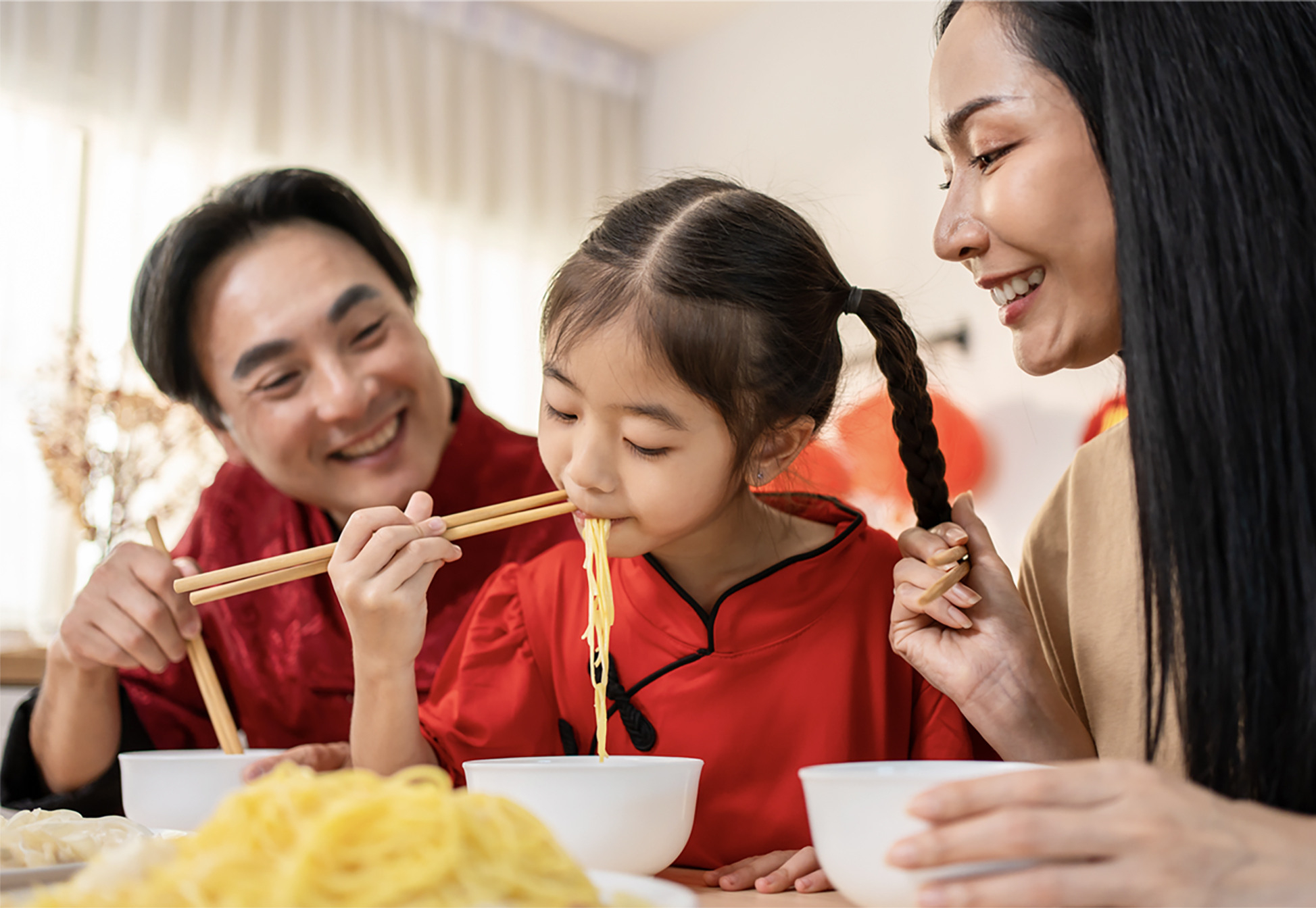
The ritual of eating Siu Mie is governed by a strict, unwritten rule that every generation learns early. One must never cut or bite the strands. Diners are encouraged to slurp the noodles whole, ensuring the entire length is consumed in a single, fluid motion. It is believed that severing the noodle is akin to shortening one’s life or cutting off a streak of good fortune. This practice turns a simple meal into an exercise in mindfulness and respect for the cycle of time.
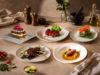
Beyond the superstitions, the dish fosters a sense of unity. Sharing a large platter of noodles reinforced with seafood, vegetables, and quail eggs brings the family closer. It is a moment to reflect on the strength of ancestral ties and the importance of looking after one’s kin. The physical act of sharing food becomes a commitment to maintain harmony within the home for the coming year.
As we look toward the future, the idea of longevity naturally shifts from tradition to practical care. Wishing for a long life is the first step, but sustaining that journey requires a balanced approach to health and well-being. Modern life demands more than just symbolic gestures. It requires a conscious effort to protect what we value most. Preparing for the years ahead involves both physical maintenance and a steady hand on one’s personal security.
True peace of mind comes from knowing that the long road ahead is well-paved. By combining these ancient customs with thoughtful planning, the celebration of the Lunar New Year becomes a holistic look at the life we hope to lead.