

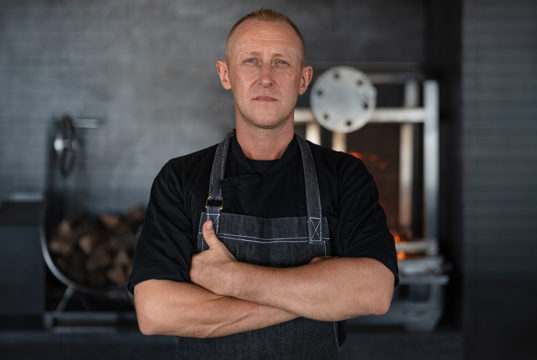
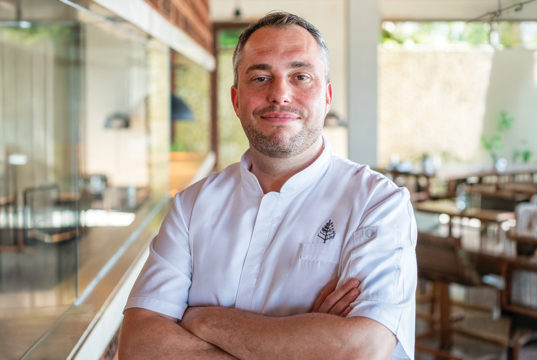
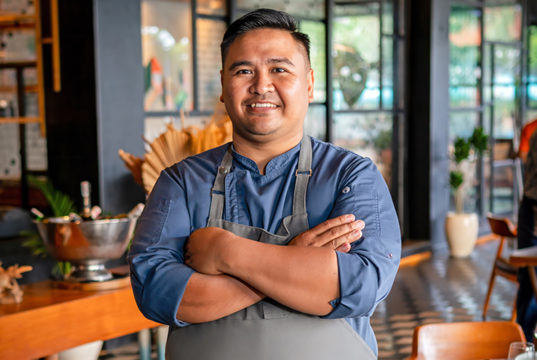
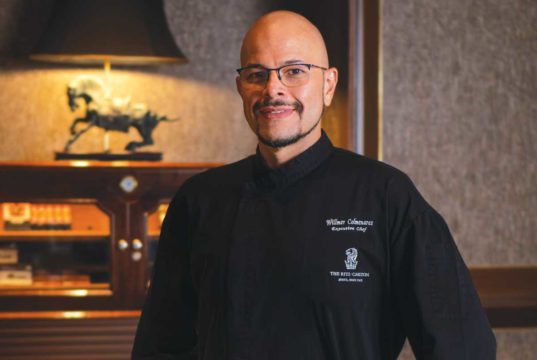
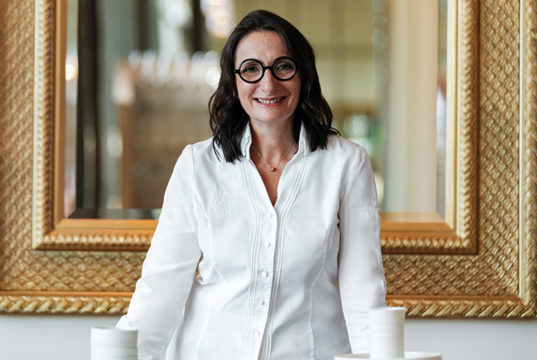
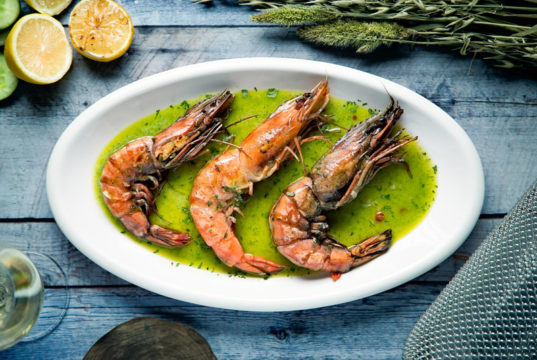
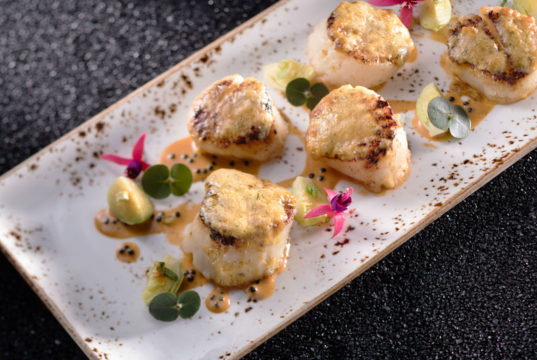
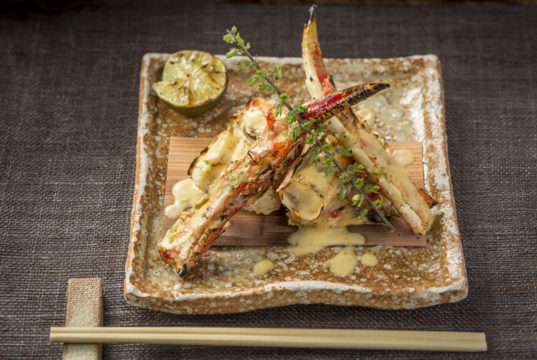













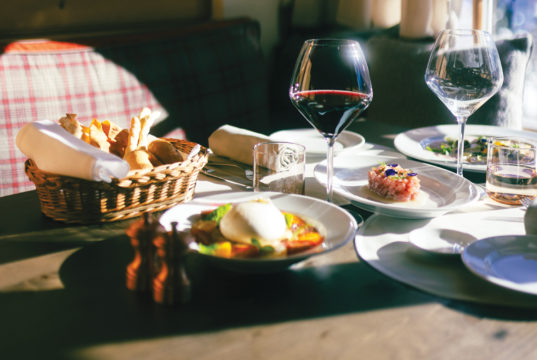
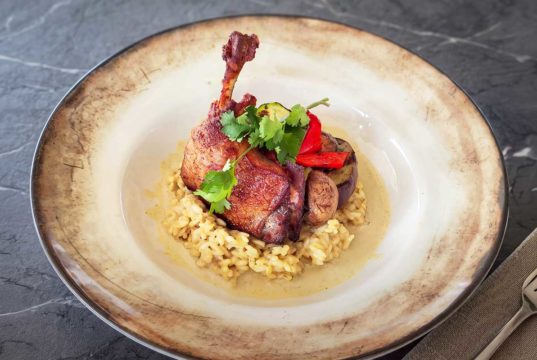
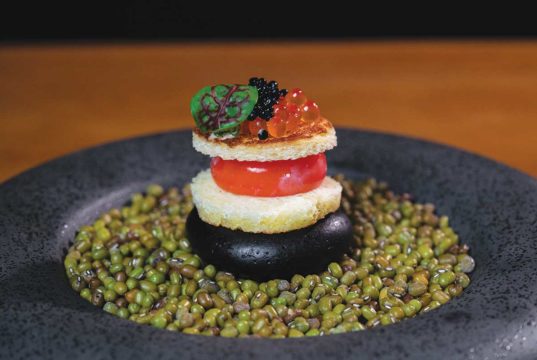
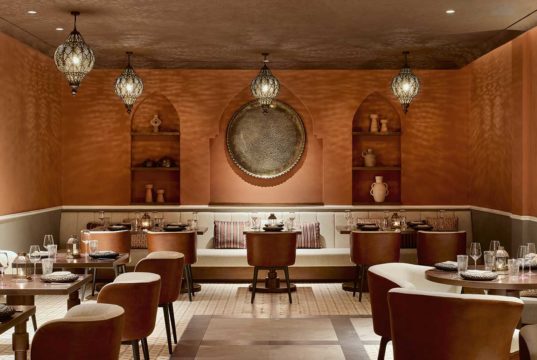
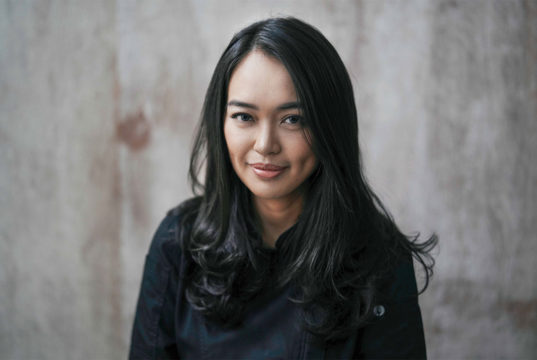
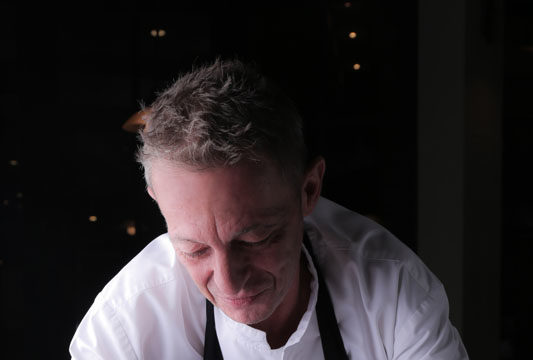





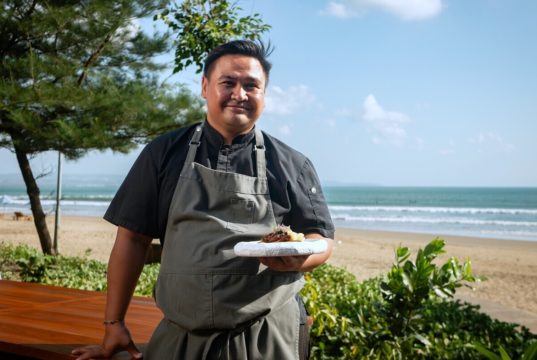
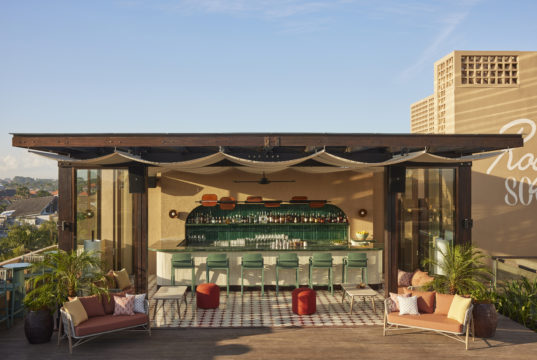
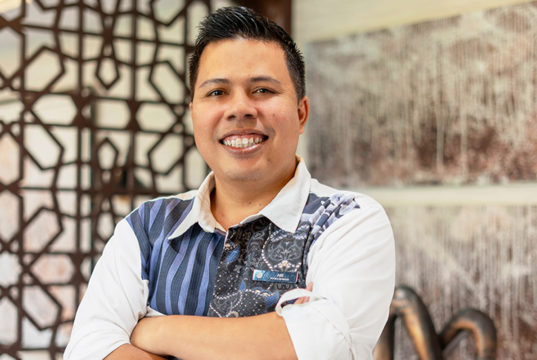


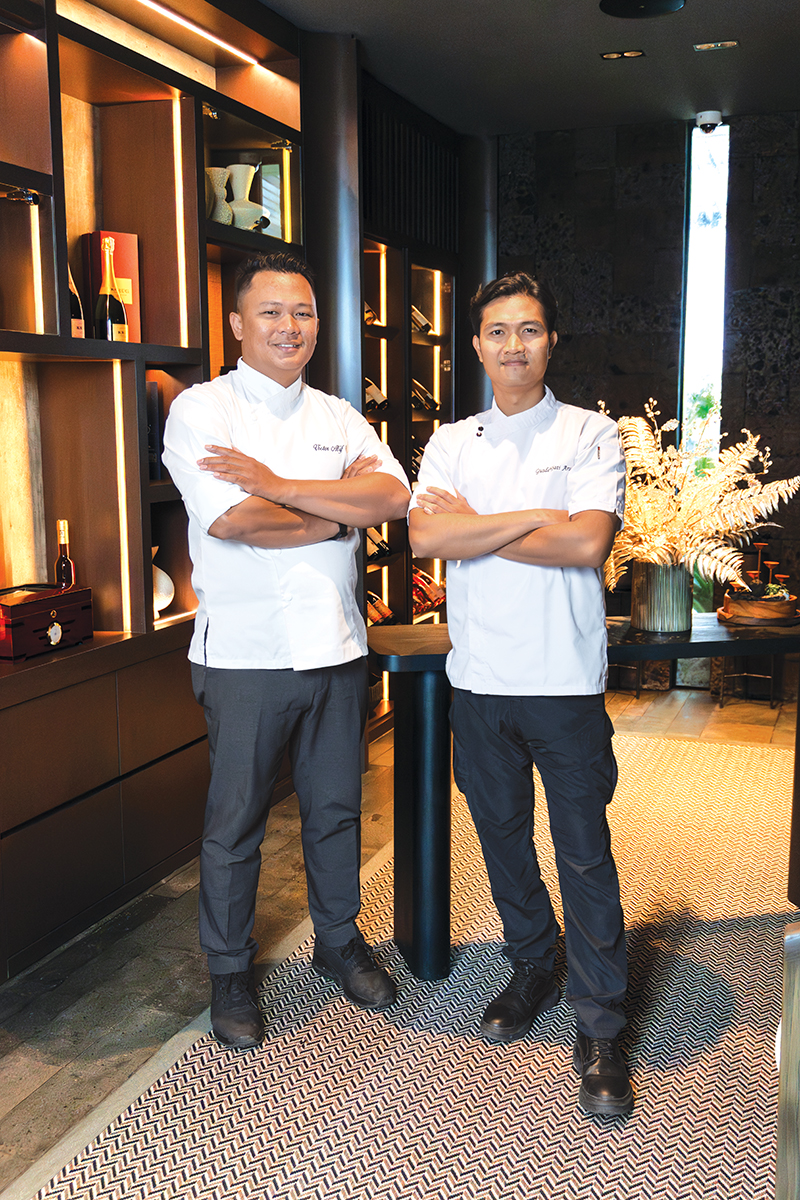
 Shaped by years of experience, dedication, and craftsmanship, Chef Victor Alif Utama and Chef Gusde Sujati Arsa now extend their expertise to the next generation. As Head Chef and Head Pastry Chef of KŌRO Bali, they do more than lead the team; they have the privilege of guiding and mentoring aspiring professionals stepping into the real-world kitchen.
E: How did your journey in cooking begin, and what inspired you to turn it into a career?
Victor Alif Utama (V): My earliest inspiration came from the memories of my grandmother’s cooking and the warmth of sharing meals with my family, who have no culinary background. I began researching on my own, which led me to NHI Bandung. That marked my first formal step into the professional kitchen. What truly drew me to this career was the kitchen environment itself: discipline, structure, teamwork, and a sense of responsibility. Beyond the craft, cooking also gave me a deeper understanding of ingredients. Coming from a family of farmers and livestock engineers, cooking became my way of carrying that legacy forward, with the hope that one day I will return to the land and continue the cycle.
Gusde Sujati Arsa (G): My journey began very simply, from curiosity and respect for food at home. Growing up in Bali, I was surrounded by intense flavours, rituals, and a deep connection between cooking and culture. What started as helping and observing slowly became a passion. I realised it was not just about cooking, but also expressing identity, emotion, and memory. That’s what inspired me to pursue it professionally.
E: KŌRO is known as a restaurant rooted in education. How do you approach this as Head Chef and Pastry Chef?
V: Honestly, the focus on education is what drew me to KŌRO. As Head Chef, education is not separate from daily operations. It is embedded in how we work, communicate, and develop the team. I see KŌRO as a space where learning never stops, mistakes become lessons, and young chefs are prepared not just to cook, but also think, lead, and grow.
G: Teaching has always felt like a natural part of being a chef. Alongside my role at KŌRO, I also teach at Bali Culinary Pastry School, so mentoring and sharing knowledge are part of my daily practices. Here, education is a responsibility, creating a real kitchen environment where young chefs learn technique, discipline, teamwork, and respect for ingredients. By opening opportunities for students to experience professional kitchen life early on, we help prepare the next generation of chefs to grow with confidence, purpose, and the values that define KŌRO.
E: How did you approach creating the menu at KŌRO, and are there any personal touches you add to the dishes?
V: I approached the menu by drawing from my own life experiences, memories, and emotions. From there, I focus on technique through research, testing, and refining each recipe to find the right balance of flavour and texture.
G: For me, creating the menu was about understanding the identity of the place first. I spent time exploring KŌRO’s philosophy, environment, and intention, then translated those elements into food. It’s where the ingredients come in, and I try to highlight local ingredients and play into their seasonality. My personal touch comes from memory and instinct. I often draw from Balinese flavours, fermentation, and natural umami, then reimagine them through modern techniques.
E: KŌRO focuses on koku, the depth of flavour, texture and aroma. How do you express this in your cooking?
V: I express koku by building layers slowly, allowing flavours and texture to develop naturally. This can come from slow cooking, fermentation, or gentle seasoning. Aroma is often added at the end for a sensory boost.
G: It comes from slow reductions, ageing, infusion, or contrast in texture. Koku is not about intensity. It’s about creating a lingering harmony that stays with you after the last bite.
E: How do you combine Balinese, Japanese and Italian influences in one menu?
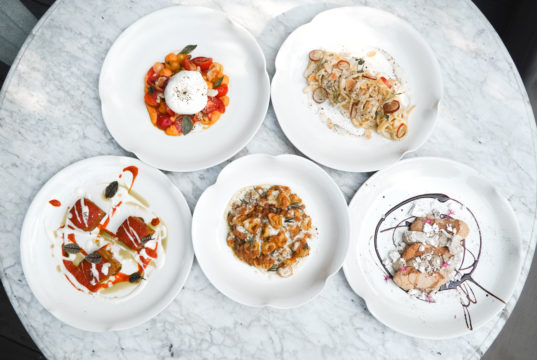
V: Combining Balinese, Japanese, and Italian influences starts with feeling rather than rules. Balinese flavours bring depth and memory, Japanese cuisine teaches me precision and respect for ingredients, and Italian cooking inspires warmth and simplicity.
E: What does cooking mean to you as a Balinese chef?
G: I believe that cooking is a form of offering. In Balinese culture, food is closely tied to spirituality, respect, and community. Being a Balinese chef means carrying that responsibility while also sharing our culture through a modern, global language.
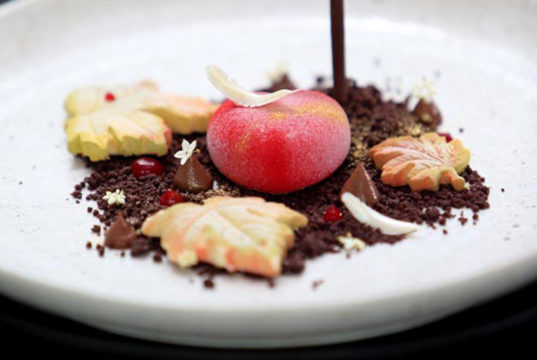
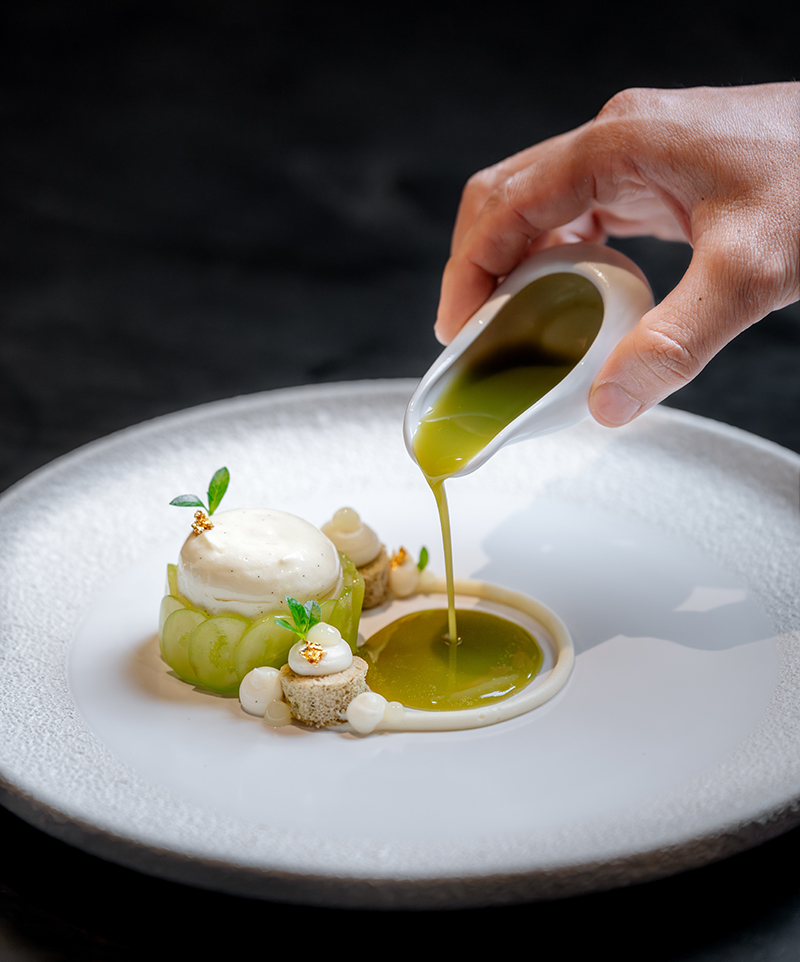
CEMCEM JAPANESE SHORTCAKE
Ingredients:
Green Savoiardi:
- 5 egg yolks
- 5 egg whites
- 150g sugar
- 125g soft flour
- 5g matcha powder
- 3g lime zest
- 10g icing sugar, for dusting
Sugar Dough Crumble:
- 540g bread flour
- 61g almond powder
- 240g icing sugar
- 4g baking powder
- 150g eggs
- 300g butter
Cemcem Consomme:
- 500g water
- 10g cemcem leaves
- 50g sugar
- 10g pectin
- 50g yuzu purée
- Yuzu Gel:
- 100g yuzu purée
- 50g sugar
- 1g agar-agar powder
Cemcem Grapes Gel Insert:
- 600g water
- 100g cemcem leaves, cooked
- 50g sugar
- 3g agar-agar powder
- 20g cemcem leaves, fresh
- 250g diced grapes
Ivoire Vanilla Namelaka:
- 100g milk
- 10g glucose
- 10g vanilla paste
- 48g gelatine mass
- 400g whipping cream
- 140g Valrhona Ivoire 35%
Lemon Crunchy:
- 140g sugar dough crumble
- 108g Valrhona Opalys 33%
- 2.5g salt
- 3g lemon zest
- 60g feuilletine
Opalys Vanilla Diplomat:
- 500g milk
- 100g egg yolk
- 5g vanilla paste
- 160g caster sugar
- 20g cornstarch
- 30g flour
- 100g Valrhona Opalys 33%
- 50g butter
- 300g whipped cream
- 3 gelatine sheets
Garnish:
- 10g cemcem leaves, fresh
- 2g gold leaves
- 100g Valrhona Absolu Cristal Nappage Neutre
Method:
- Prepare the green savoiardi by whipping egg whites with sugar to a soft meringue, folding in yolks, sifted flour, matcha, and lime zest. Pipe, dust with icing sugar, bake until lightly set, then freeze and store.
- Make the vanilla sugar crumble by mixing dry ingredients with cold butter, adding eggs just until combined. Chill, grate or cut, and bake until golden.
- For the lemon crunch, melt Opalys chocolate, mix with crumble, feuilletine, salt, and lemon zest, then press into a thin layer and chill until set.
- Prepare the Opalys vanilla diplomat by cooking a vanilla pastry cream, adding butter and gelatine, cooling, then folding in whipped cream.
- Cook the yuzu purée with sugar and agar, boil briefly, set in the fridge, then blend into a smooth gel.
- Prepare the cemcem grapes gel using the same method, folding in cemcem leaves and grapes before freezing in inserts.
- Make the Ivoire vanilla namelaka by emulsifying hot milk, glucose, vanilla, and gelatine with chocolate, then blending in cold cream. Chill overnight.
- For the cemcem consommé, boil water with sugar and pectin, infuse with cemcem leaves, then combine with yuzu purée.
- Assemble by layering savoiardi, lemon crunch, diplomat cream, yuzu gel, cemcem insert, and namelaka. Serve with cemcem consommé.
Exquisite Taste Volume 50
KŌRO Bali
Jalan Pantai Nyanyi, Tabanan
Bali 80351, Indonesia
T: (+62) 8113817484
W: korobali.com
IG: @koro.bali