
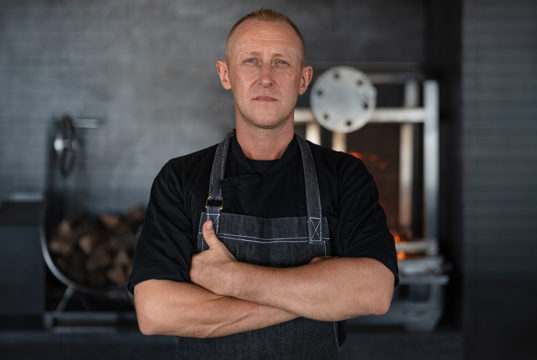
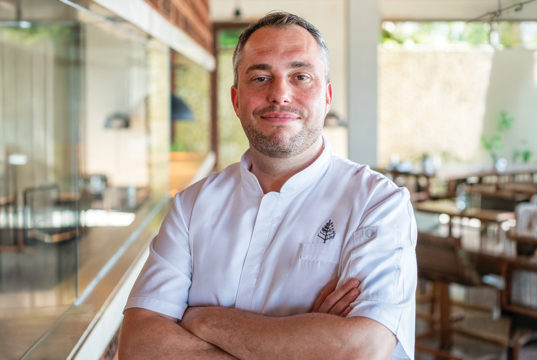







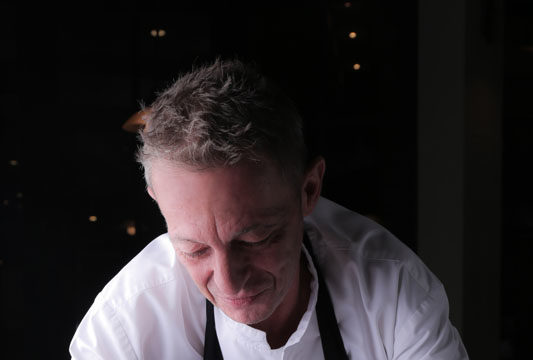
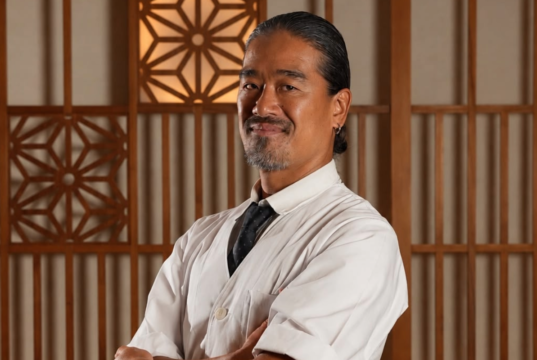

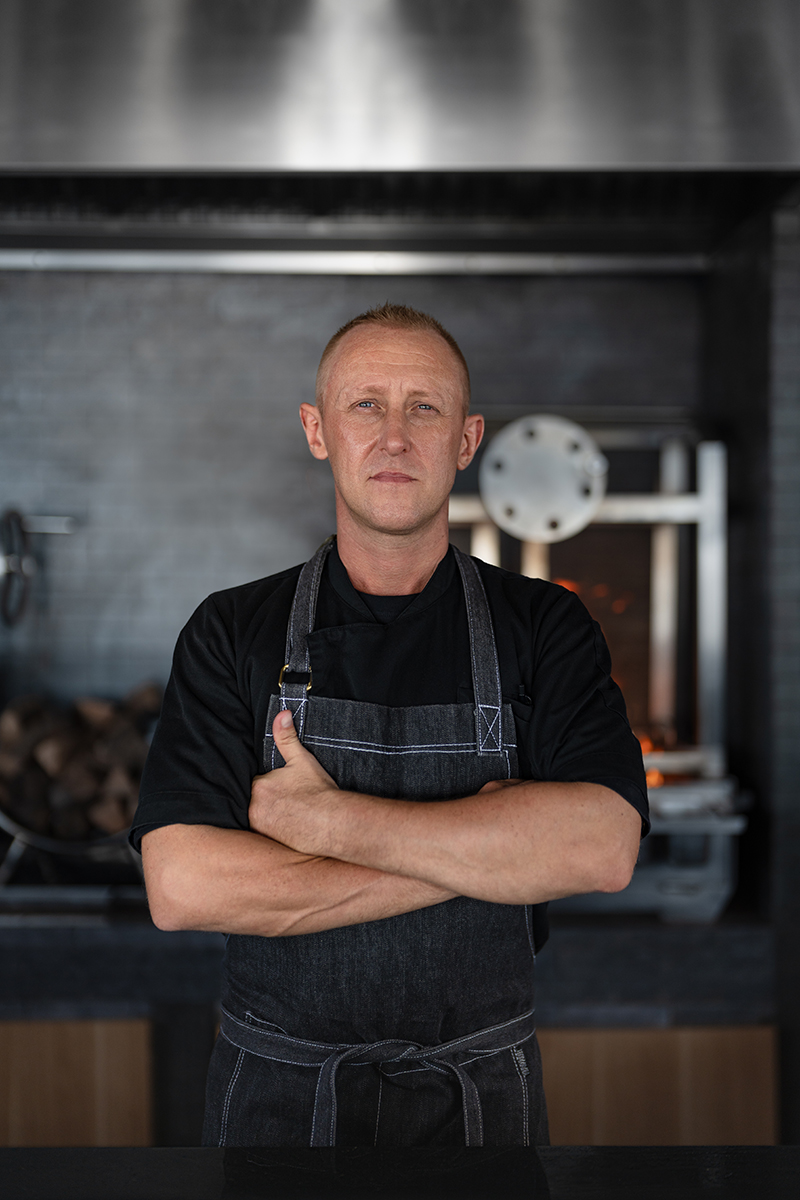
 After more than a decade in Bali’s evolving culinary scene, Chef Ashley Garvey brings his experience from MICHELIN-starred kitchens to Mamaka Hotels & Resorts, where Mediterranean influences, Balinese ingredients, charcoal cooking, and a playful spirit collide into a characterful dining experience.
E: What keeps drawing you to kitchens at coastal and beachfront venues?
A: I’ve always liked being near the ocean. There’s something about the energy of a coastal setting that naturally puts you in a good mood. You have access to incredible produce, beautiful seafood, and a certain vibration that you don’t find everywhere. And, honestly, it’s pretty hard to complain when you’re cooking with a view like this.
E: What about Bali’s dining scene made you stay and build a career here?
A: Bali’s constant evolution keeps it interesting for me. There’s always something new happening, whether it’s a new restaurant, a new concept, or a different way of looking at food. At the same time, you still have incredible local produce and amazing seafood right on your doorstep. That combination keeps me curious, which is important as a chef.
E: How has your cooking changed after more than a decade in Bali?
A: I’ve simplified a lot over the years. When you’re younger, you can sometimes feel the need to show everything you know through complicated techniques and lots of elements on a plate. With experience, I’ve learned to respect the ingredients and let them speak for themselves. Good produce doesn’t need too much messing around. Sometimes, the best thing you can do is simply cook it well.
 E: Mamaka Hotels & Resorts is considerably more playful than many of the previous venues you’ve worked at. What drew you here?
A: That playfulness is exactly what attracted me to Mamaka. I’ve worked in serious kitchens, from MICHELIN-starred restaurants to fine-dining environments, so I’ve had plenty of experience with precision and discipline. What excited me here was the opportunity to take everything I’ve learned and have a bit more fun with it.
E: What’s the biggest lesson you learned in a MICHELIN-starred kitchen that you’re bringing into the team at Mamaka Hotels & Resorts?
A: Discipline, without a doubt. In those kitchens, you learn very quickly that the little things matter: preparation, produce, consistency, timing, and attention to detail. They all add up to the final experience. But I also learned that good food doesn’t have to be pretentious. We take the cooking seriously, of course, but we don’t have to take ourselves too seriously. That’s an important balance to bring into a place like Mamaka.
E: You’ve mentioned an approach to dining that considers the holistic atmosphere beyond the plate. What kind of ambience do you want to create at Mamaka Hotels & Resorts?
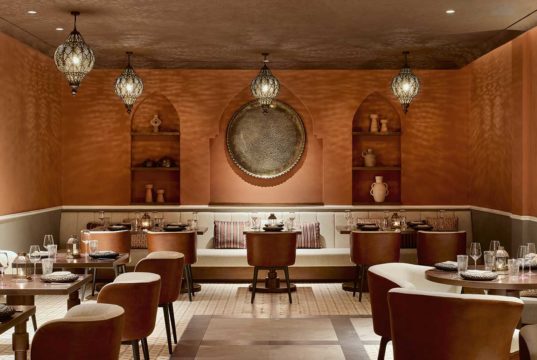
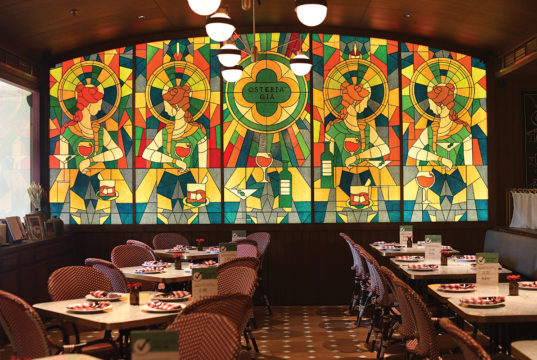
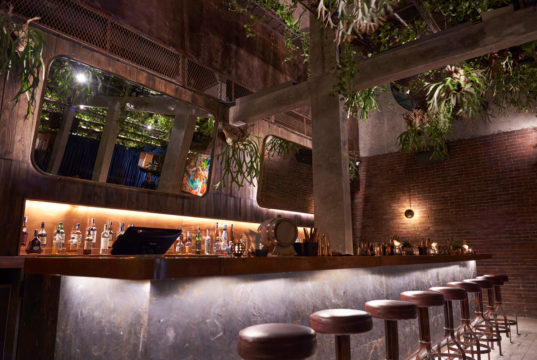
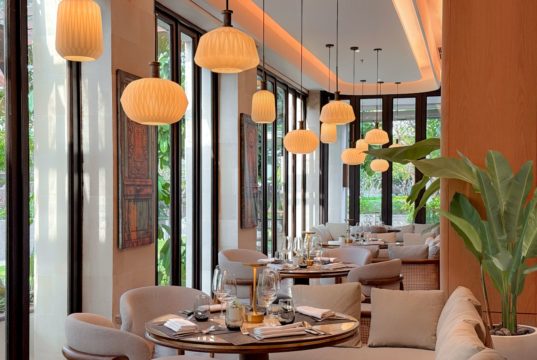
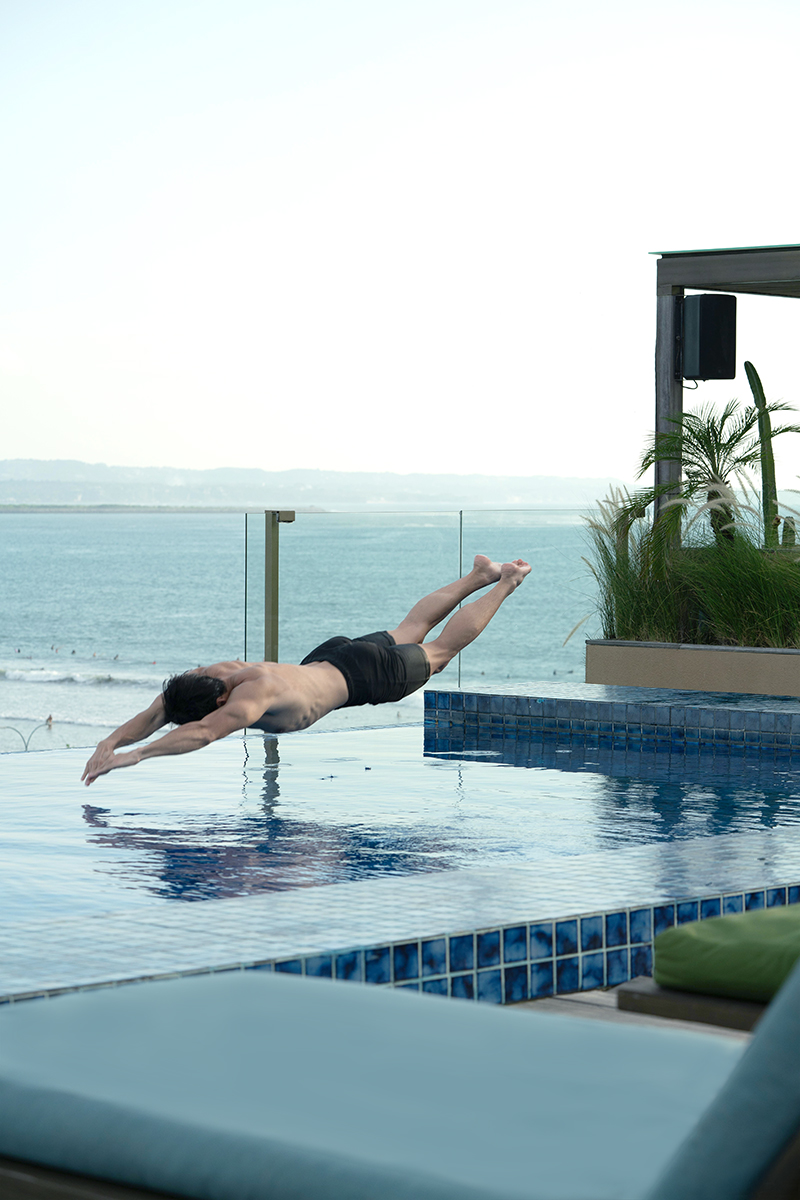
A: I want people to forget that they’re simply having dinner. The experience should feel bigger than what’s on the plate. You have the sunset, the ocean, the music, the cocktails, the grill going, and everyone sharing food around the table. All of those elements contribute to the atmosphere. The food should be central to that experience, but it should also feel like part of the party rather than something separate from it. This energy gives the kitchen a chance to be creative without making the experience feel overly formal or serious.
E: When developing the current menu, what comes first: the ingredient, the technique, the story, or the guest experience?
A: The ingredient comes first. Give me a great piece of fish or meat and that’s where I’ll start. Once I know what I’m working with, the technique follows naturally. But ultimately, guest experience is the boss. It doesn’t matter how technically perfect a dish is if people don’t enjoy eating it. If they’re reaching for another bite, sharing it with the people at their table, and having a good time, then we’ve done our job.
E: Which dish from the current menu do you have the fondest emotional connection with?
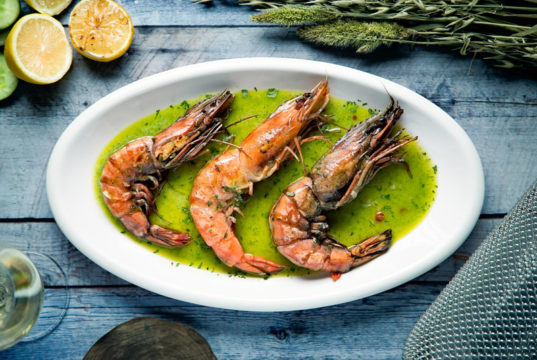
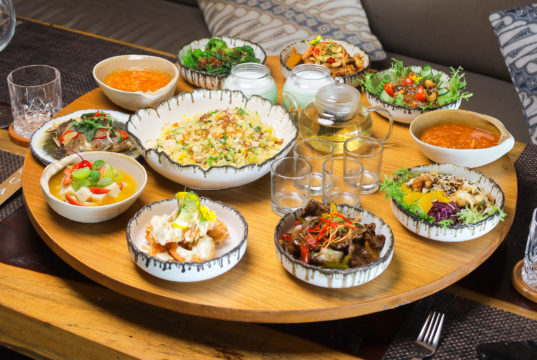
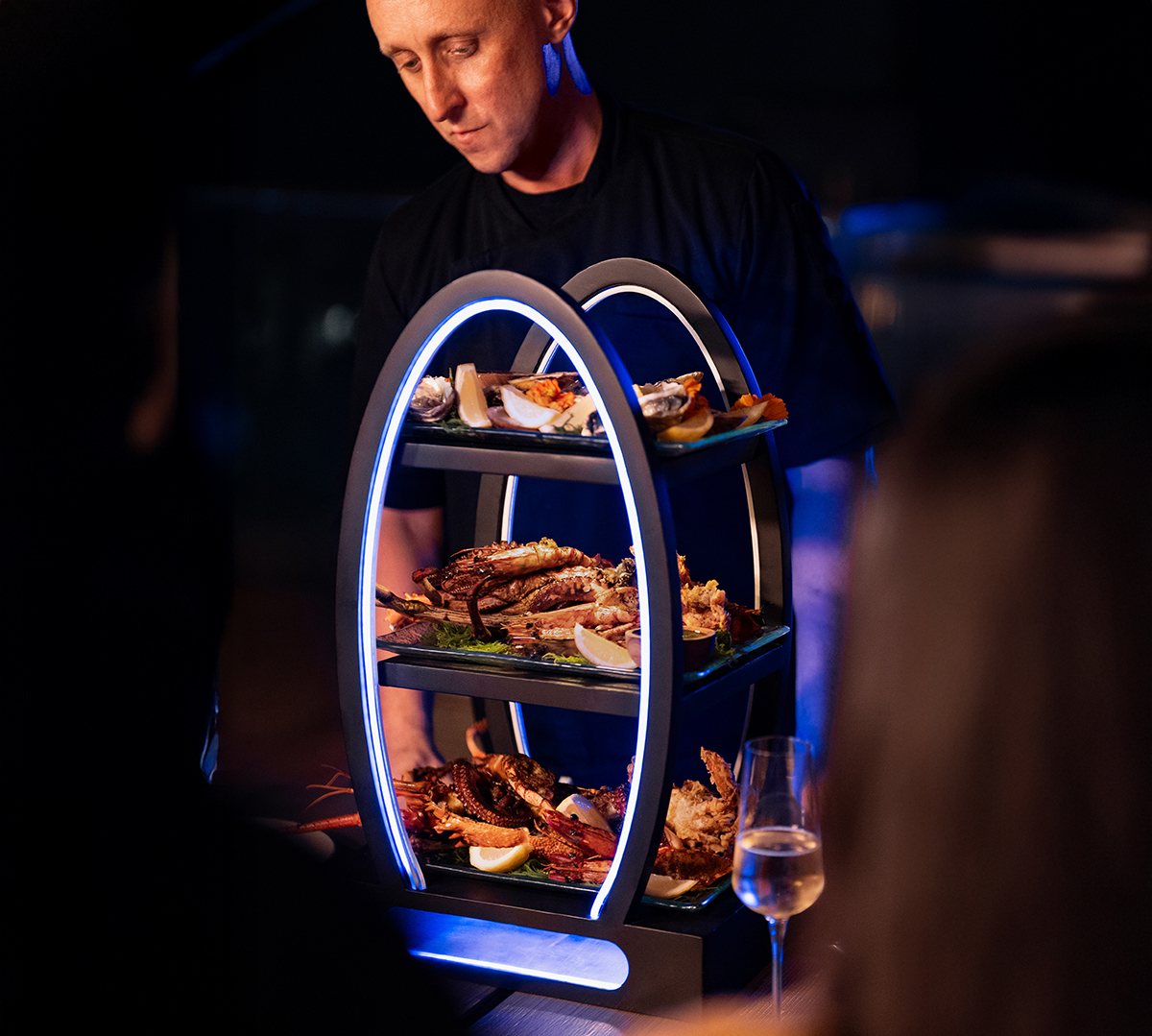
A: It’s a toss-up between the three. The Tomahawk is the big charcoal-grilled beast: full of flavour, made for sharing, and served with a surprise element. Meanwhile, the Triple Seafood Tower feels very representative of Kuta. We have so many fresh seafood and all these different fixings on the side. We’re surrounded by the ocean, so fresh seafood and the relationship with local fishermen are an important part of our story. There’s also the picanha steak, which has become guests’ favourite. It’s another example of keeping things simple, letting the charcoal and meat quality do the work while still delivering the robust flavours people come for. We keep the cooking relatively simple with good produce, fire, and a little bit of theatre.
E: Through the current menu, what’s one word people might use to describe your cooking?
A: Playful. There’s serious technique behind what we do, but the food itself shouldn’t feel stiff. I want people to have fun with it. At its heart, the cooking is Mediterranean, with Bali around the edges, charcoal in the middle, and a little bit of mischief on the side. That balance probably sums up what I’m trying to achieve here.
WAGYU PICANHA ‘RUMP CAP’
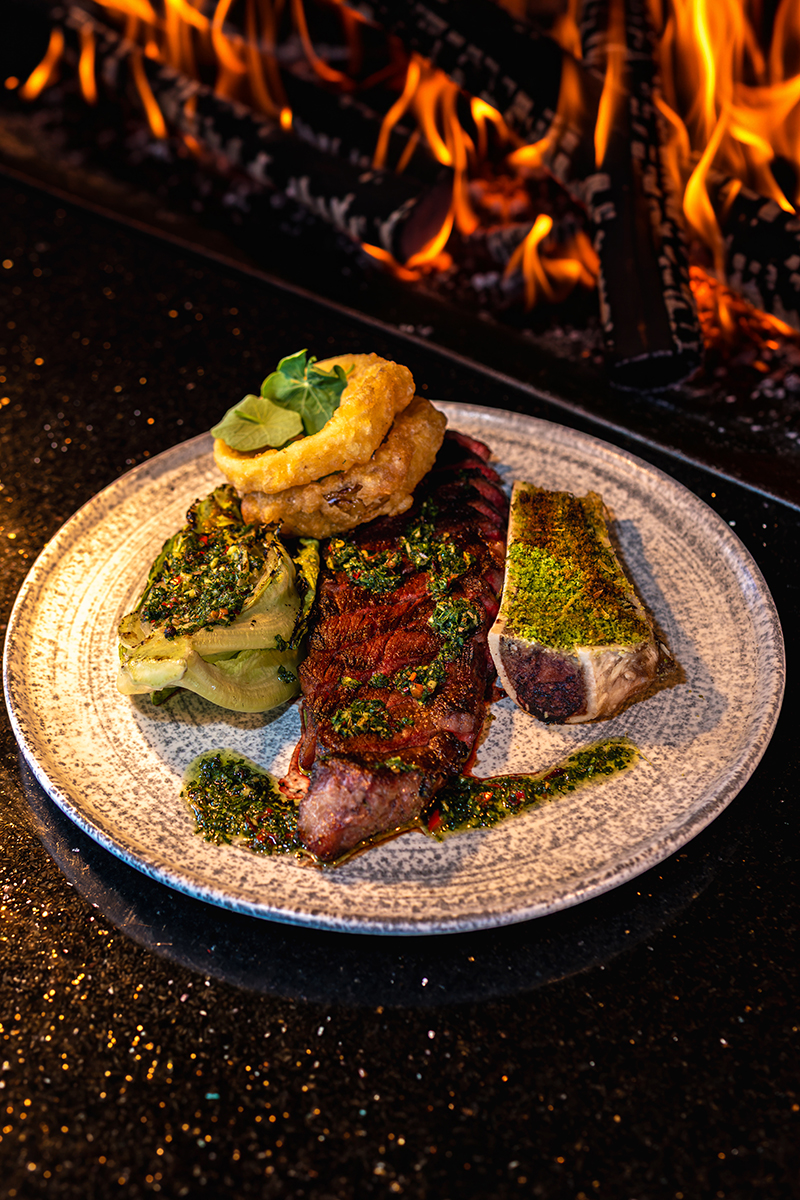 INGREDIENTS:
Wagyu Picanha:
- Wagyu picanha, MB 8/9+
- Sea salt
- Black pepper, optional
- Olive oil
Chimichurri:
- 20g fresh oregano
- 50g fresh mint
- 10g dried chillies
- 15g dried oregano
- 90g fresh chillies, chopped
- 80g confit garlic
- 500g olive oil
- 100g Champagne vinegar or red wine vinegar
- 50g fresh lemon juice
- Salt, to taste
Roasted Bone Marrow Bone Marrow Brine:
- 1L water
- 50g salt
- 25g sugar
- 2 bay leaves
- 5g black peppercorns
- 2 cloves garlic, crushed
- 2 sprigs thyme
- 1 sprig rosemary
- 30ml white vinegar
Bone Marrow Crust:
- 300g panko breadcrumbs
- 5g garlic
- 60g Parmesan cheese
- 80g olive oil
- Zest of 1 lemon
- 5g thyme leaves
- 30g parsley
- 2g salt
- 1g black pepper
Crispy Onions:
- 120g tempura flour
- 240g ice-cold water
- 1 egg yolk
- 1 onion, sliced
METHOD:
Chimichurri:
- Roughly blend all ingredients until they reach a chunky texture.
- Transfer to a bowl and adjust the seasoning to taste, adding more chilli, salt, or vinegar as desired.
Roasted Bone Marrow:
- Combine the water, salt, sugar, herbs, and aromatics in a saucepan.
- Bring to a simmer until the salt and sugar dissolve.
- Remove from the heat and add the vinegar. Allow the brine to cool completely.
- Place the split bone marrow bones in the chilled brine and refrigerate for 12–24 hours.
- Remove, rinse lightly under cold water, and pat dry. Keep refrigerated until ready to cook.
- For the crust, combine the panko breadcrumbs, garlic, Parmesan, lemon zest, thyme, parsley, salt, and pepper. Cook over medium heat with olive oil in a heavy-based pan, stirring regularly until lightly toasted.
- Roast the brined bone marrow at 180–200°C until soft and fully cooked. Remove from the oven, cover with the bone marrow crust, then return to the oven until the outside is crisp and golden.
Crispy Onions:
- Combine the tempura flour and ice-cold water, mixing gently until just combined. A few small lumps are perfectly fine.
- Lightly coat the sliced onions in flour, then dip into the batter. Fry at 180°C until crisp and golden.
Wagyu Picanha:
- Lightly oil the picanha and season with sea salt, adding black pepper if desired.
- Sear over a hot charcoal grill and cook to your preferred doneness.
- Allow the steak to rest before slicing.
PLATING:
Lightly dress the rested steak with chimichurri before slicing and serving alongside the roasted bone marrow and crispy onions.
Exquisite Taste Volume 52
Kuta Social Club
at Mamaka Hotels & Resorts
Jalan Pantai Kuta, Legian
Bali 80361, Indonesia
T: (+62) 3618496500
E: kutasocialclub@ovolohotels.com
W: mamakahotelsandresorts.com
IG: @kutasocialclub