


















Marriott International’s Future of Food 2027 report explores how local identity, changing dining habits, and wellness are reshaping the hotel table.
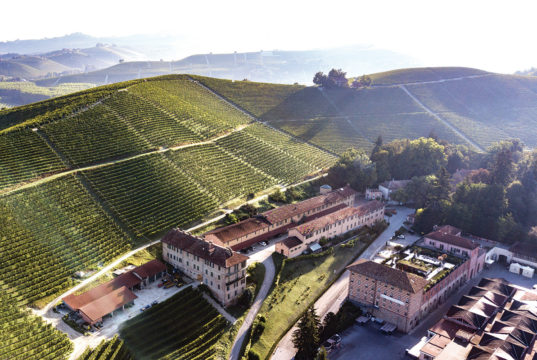
The long, elaborate hotel tasting menu is giving way to a more personal kind of dining experience. Guests want a sense of place, a relaxed setting, and food that tells them something about their destination. Marriott International’s Future of Food 2027 report explores how these preferences are reshaping hotel dining across Asia Pacific, excluding China, drawing on conversations with chefs and hospitality experts, as well as surveys of Marriott properties. One of its central themes is what the company calls “the rise of place”, a growing desire for meals that capture the character of their surroundings.
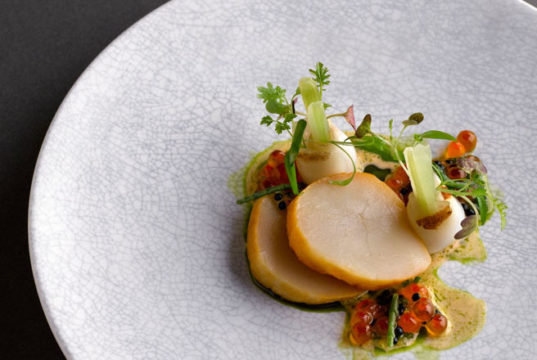
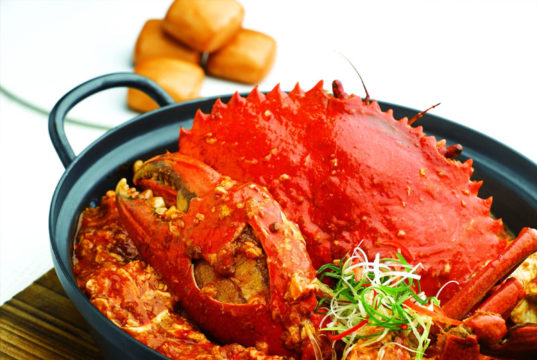
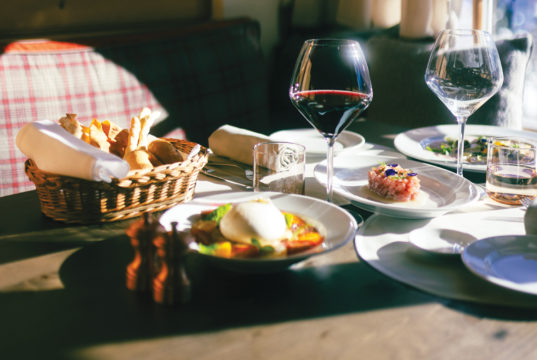
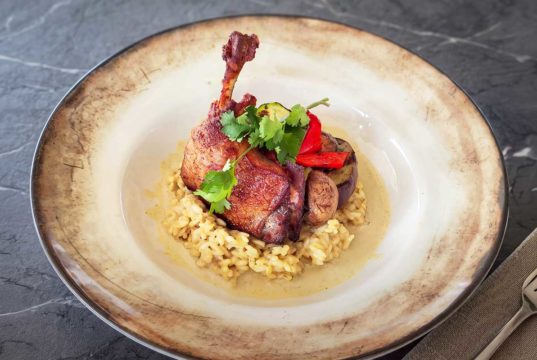
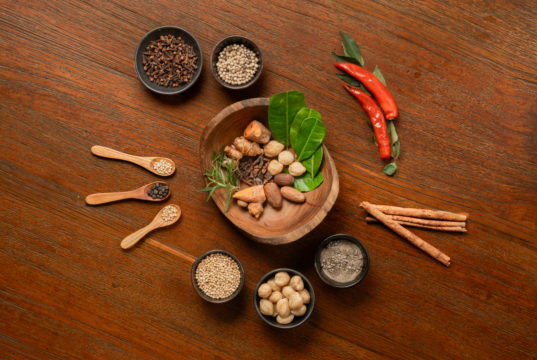
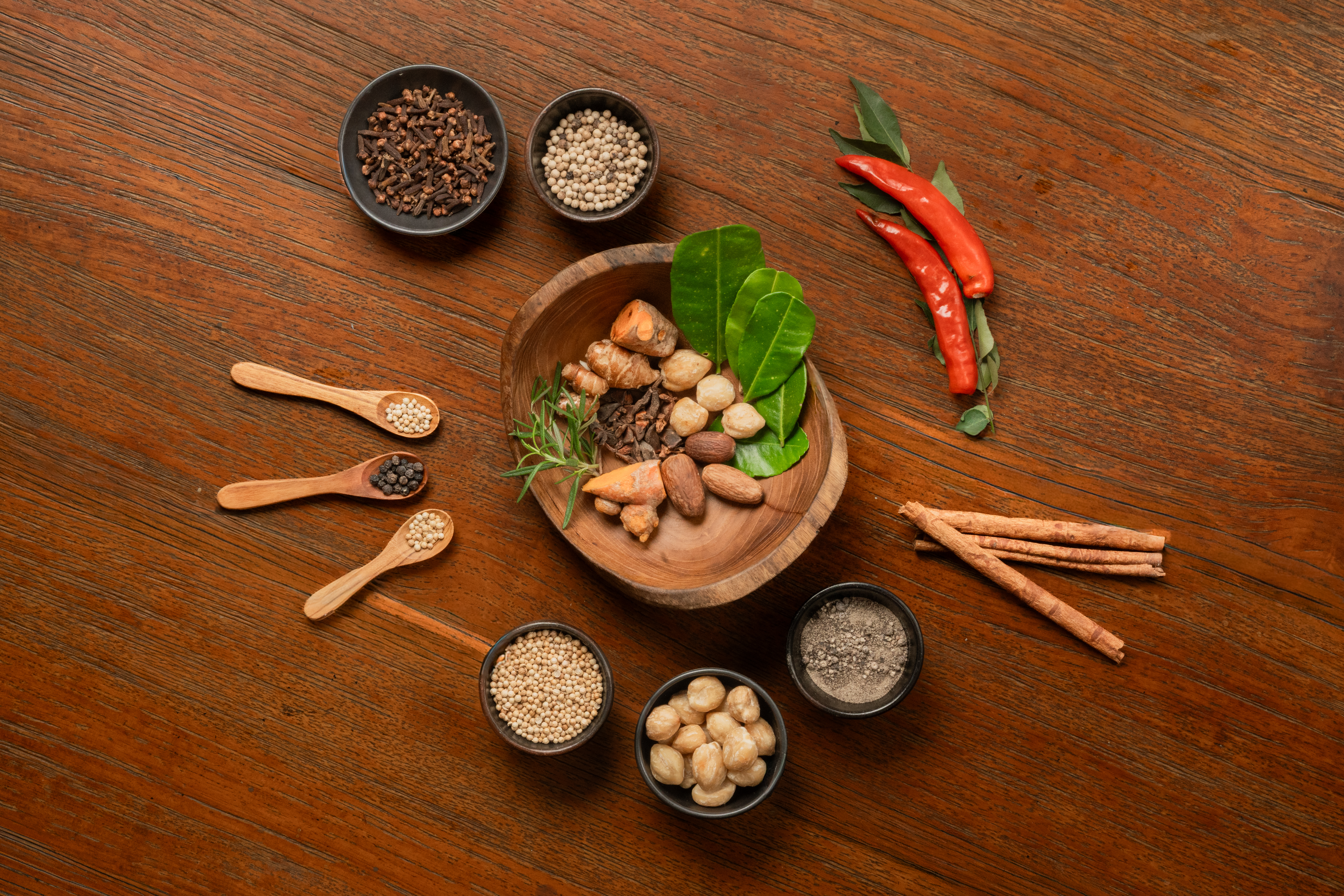
Local flavours are gaining ground. Some 95% of surveyed properties identify authentic local signature dishes as the leading food trend in their markets, ranking ahead of value for money when guests choose where to dine. At Hearth in The Ritz-Carlton, Perth, Wagin duck from regional Western Australia features in a signature dish that celebrates the produce of its home state. Four in five properties introduced new local ingredients over the past year, from Kyoto vegetables in Japan to Kampot sea salt from Cambodia. In Indonesia, 67% of properties report growing demand for local signature cuisine, close behind India at 71%.
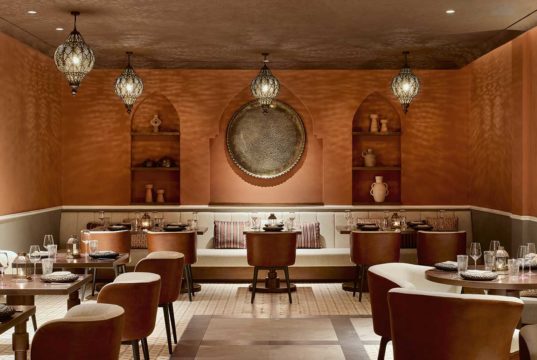
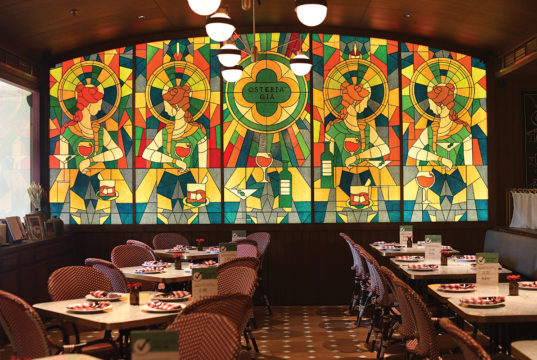
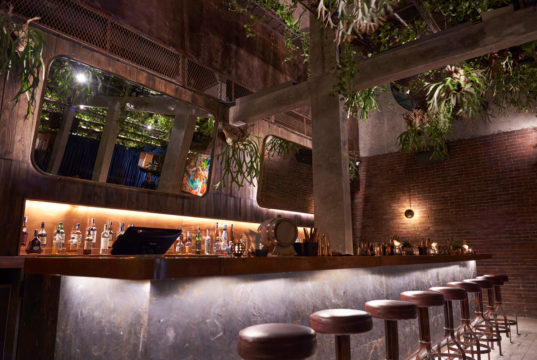
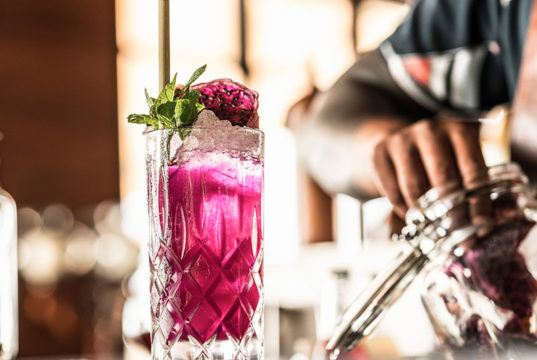
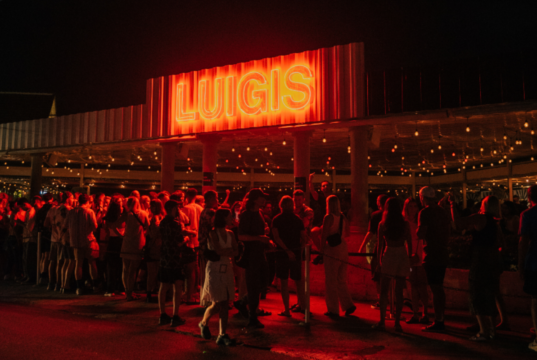
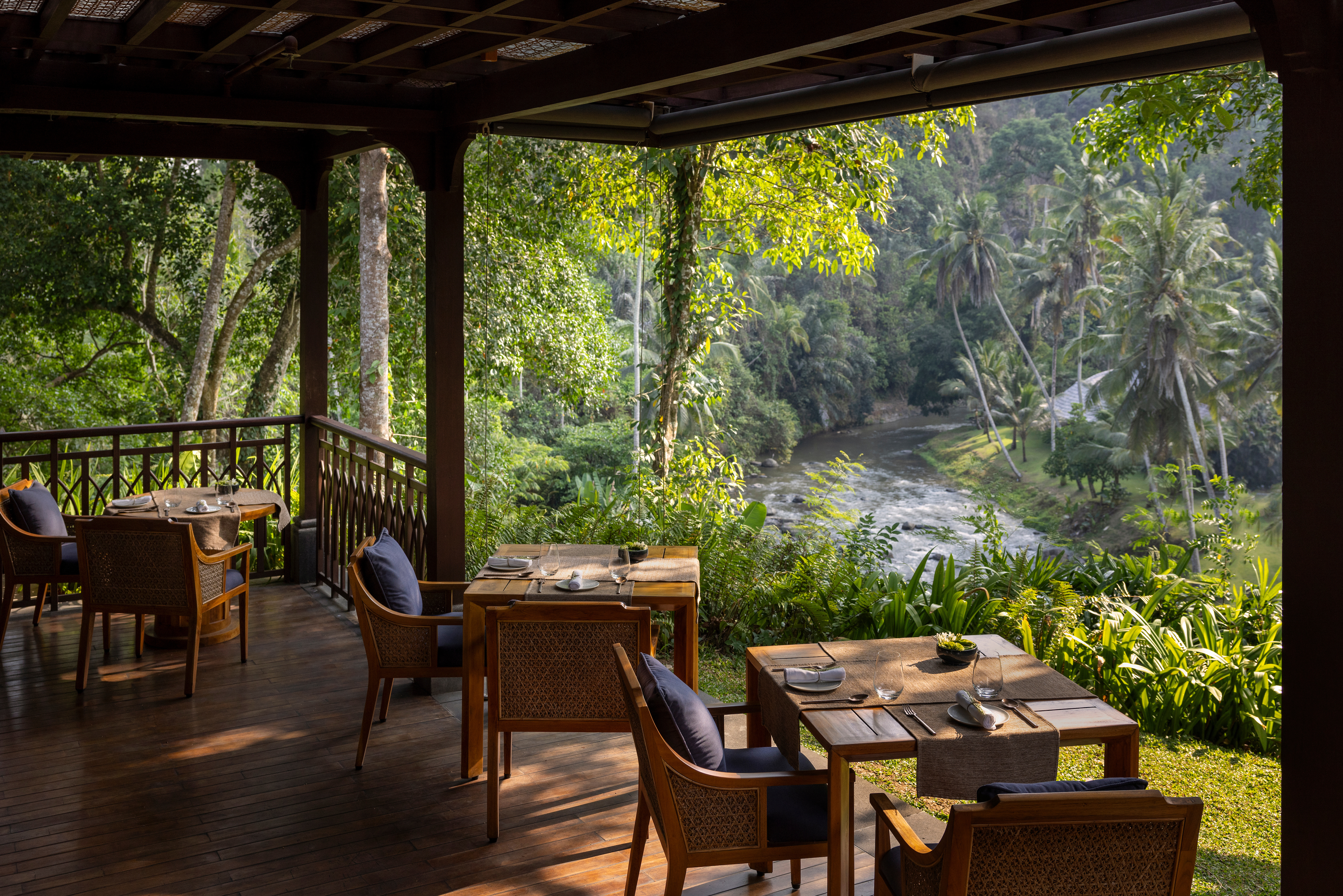
The dining experience itself is becoming more relaxed. Nearly half of surveyed properties report growing demand for casual settings, including hotel bars and lounges, where guests can settle in for a drink or a meal without the formality of a traditional restaurant. New restaurant concepts are also being designed for smaller groups of 40-60 diners. In Vietnam, 71% of properties have seen growth in bar and lounge dining. Technology is playing its part, too. Every restaurant and bar surveyed in Thailand already uses AI for tasks such as menu development and staffing, allowing teams to devote more attention to the people sitting at their tables.
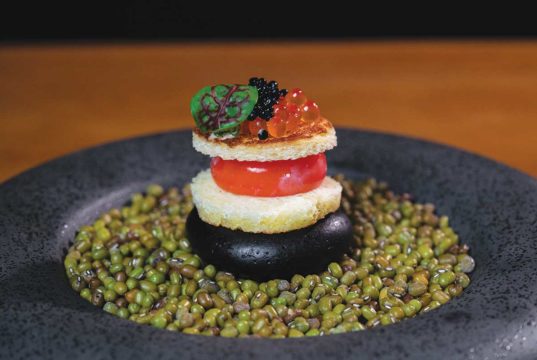
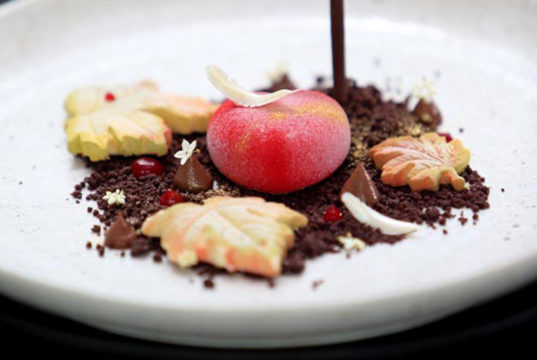
Even fine dining is learning to accommodate a more flexible schedule. Marriott calls this “99-Minute Fine Dining”, a format built around up to five courses served in under two hours, a considerable departure from tasting menus that can run to ten or more courses over four hours. In Singapore, 85% of restaurants report that the average fine-dining meal now lasts around 90 minutes. One in five establishments in South Korea have reduced their course counts, while 30% of fine-dining restaurants in the Philippines have introduced à la carte menus. The goal is to make each course count, with the report highlighting “wow moments”: memorable dishes that stay with guests long after dinner ends.
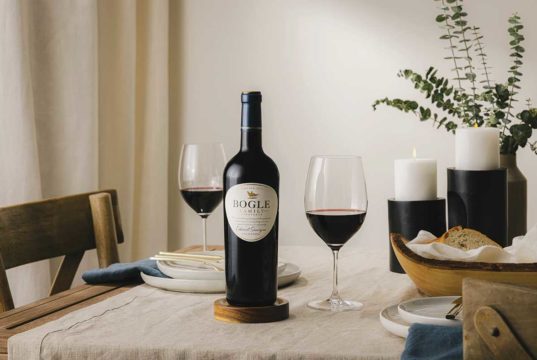
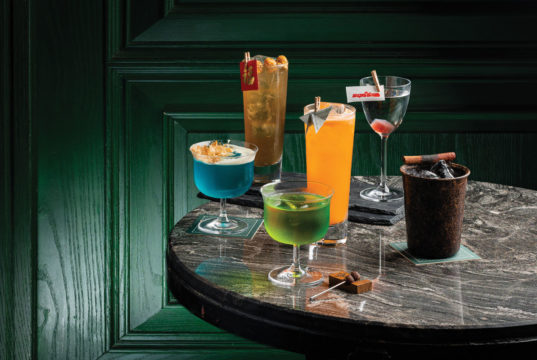
Guests are also paying closer attention to what goes into their meals and drinks. Some 97% of properties serve dishes associated with wellness and longevity, while 42% of restaurants and bars report increased sales of non-alcoholic drinks. Marriott plans to build on this interest in 2027 with the introduction of a plant-forward dining programme across the region.
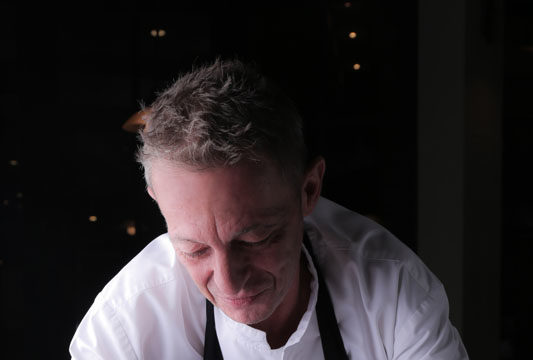
For Petr Raba, Vice President of Food & Beverage at Marriott International, Asia Pacific excluding China, these developments reflect a broader desire for experiences rooted in local culture. “Hotels are becoming cultural storytellers,” he said, with the aim “to create spaces that feel distinctly of their place.” For guests, that could mean discovering a regional speciality over dinner, lingering over a drink in a welcoming lounge, or finding a new favourite dish that feels intimately connected to the destination.
Marriott International
(marriott.com)
IG: @marriottintl