
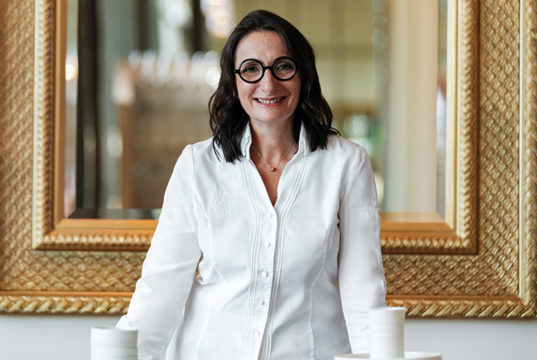












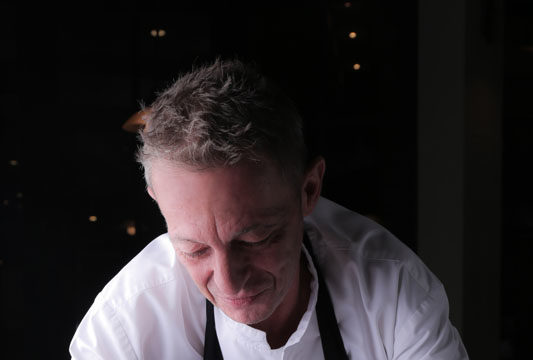

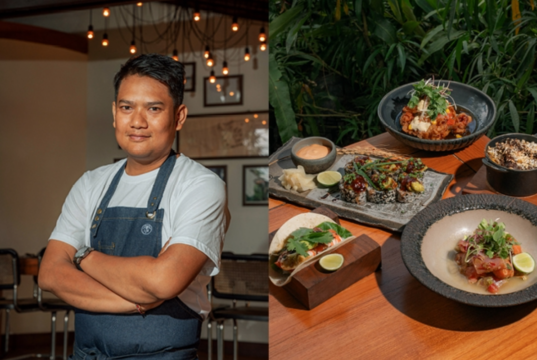





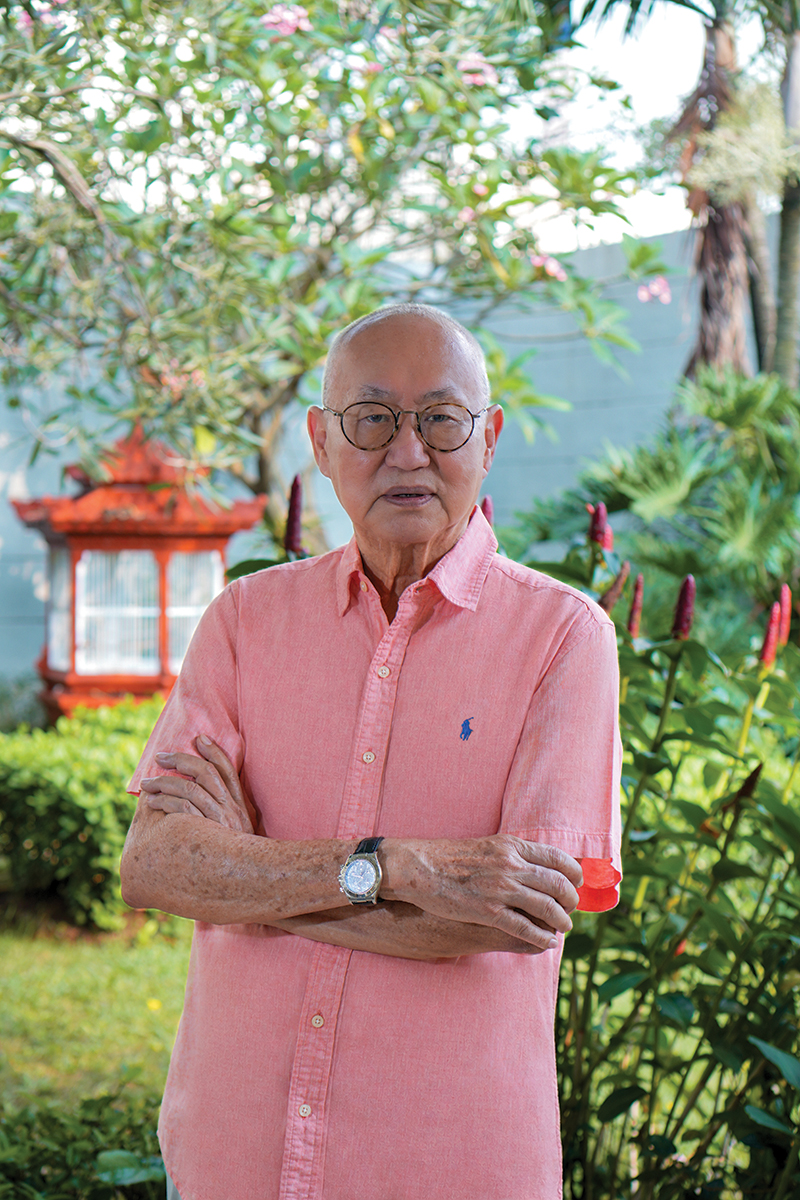
 Indonesian Culinary Expert William Wongso reflects on the enduring pull of comfort food and the changing rhythms of dining. From Jakarta’s unmatched diversity to the quiet strength of nationwide regional flavours, his outlook remains both grounded and optimistic.
E: After years in the industry, what still excites you when you sit down for a meal?
A: I’m not a big eater, but I take great pleasure in the memorable dishes I grew up with. I’m always drawn to classics such as soto, satay, gado-gado, and pecel. From time to time, I might crave sushi or ramen; Jakarta is a wonderful place for that variety.
E: Has your definition of a good meal changed over time? How would you describe it now?
A: I still follow my old habits. I return to the dishes I’ve always loved, while occasionally discovering something new or a different style of cooking. Day to day, however, I gravitate towards simple comfort foods.
E: On an ordinary day, what kind of food do you find yourself craving the most?
A: I’m a very simple eater. On a typical day, I’m content with a single dish; anything straightforward will do. Even a good bowl of bakso campur is enough for me. If I had to name three personal weaknesses: tofu, soupy dishes, and satay. Whether it’s chicken or mutton, I prefer to enjoy it fresh at the stall, watching it grill over the coals rather than ordering it to eat later.
E: In a city like Jakarta, where new venues open constantly, what makes you return to a restaurant more than once?
A: I tend to favour speciality restaurants. I’ll go to a Manado restaurant, a Batak Lapo, a dedicated satay place such as those serving satay Tegal, or for ikan bakar. These focused concepts are my favourites, especially when hosting friends; it’s far more impressive to introduce them to something authentic and specific.
E: In your view, what separates a technically good restaurant from one that truly deserves distinction?
A: A strong identity. Specialisation is key. Indonesian cuisine, for instance, should go beyond the generic; Padang food could be more specific, such as Payakumbuh, Bukittinggi, Solok, or Pariaman styles. The same applies to Chinese restaurants. Consistency also matters greatly.
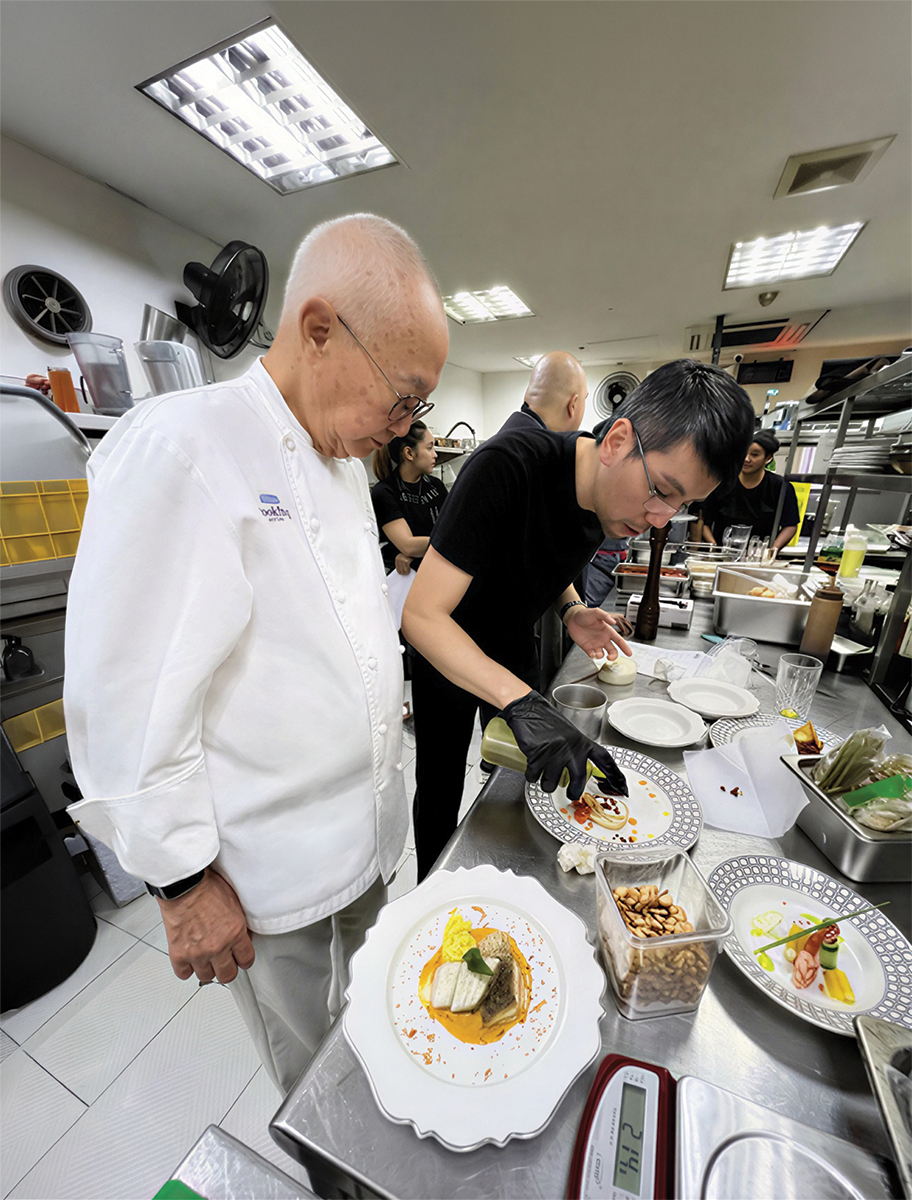 E: With so many viral food trends today, do you think people understand food more deeply or simply consume it more quickly?
A: It’s a bit of both. Some people truly understand food, but many are driven by hype and the social aspect rather than the food itself. It’s common to see people taking photos while the food goes cold. That said, I believe people are gradually developing stronger personal preferences and a clearer sense of what is genuinely good.
E: As younger people explore more global flavours, do you see this as a positive shift for Indonesian cuisine or something that needs balancing?
A: It’s somewhat concerning that the demand for quality Indonesian food is still outweighed by interest in international cuisine. I hope this will improve over time, but the imbalance remains significant. In places like Bangkok, Thai food is celebrated everywhere, even in five-star hotels. Indonesian cuisine rarely enjoys that level of prominence, aside from a few buffet dishes. Still, I remain optimistic that growing demand will encourage greater exposure to regional cooking.
E: How can Indonesian cuisine play a stronger role in the conversation around sustainability?
A: It will take time. Internationally, Indonesian cuisine is still not well understood, and many people have yet to experience its true flavour profiles. Indonesians abroad often adapt their cooking to local tastes, which I hope will change. Today’s travellers are not only interested in scenery and culture, but they also want authentic culinary experiences.
E: What concerns you most about the current direction of the food industry?
A: Jakarta itself is a remarkable case. It is one of the most diverse culinary cities in the world; a true melting pot, arguably even more varied than Singapore, Thailand, Hong Kong, or Shanghai. And yet, we don’t fully recognise this. Jakarta could be considered a world champion in terms of noodle culture and culinary diversity. We should take pride in this and ensure that Indonesians appreciate just how extraordinary their food scene is.
Exquisite Taste Volume 51
William Wongso
IG: @williamwongso