


















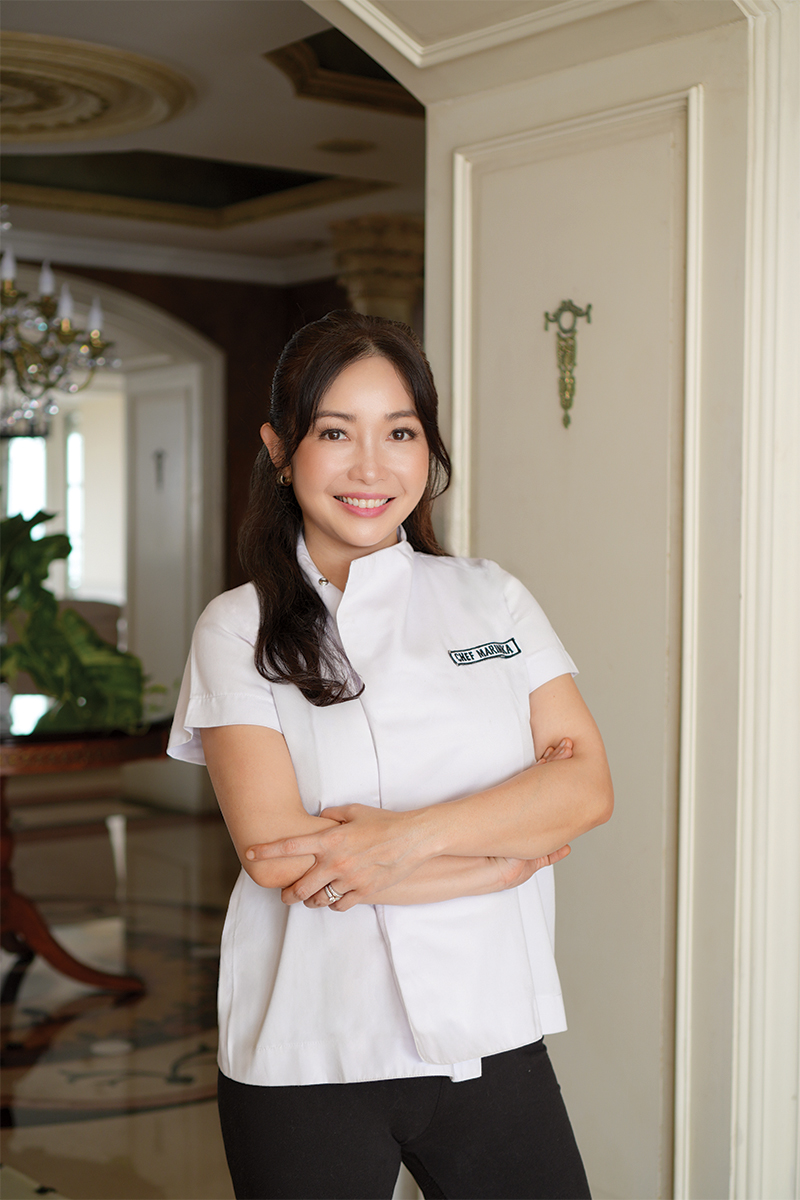
 From first impressions to final judgement, the art of restaurant evaluation goes far beyond what is on the plate, encompassing atmosphere, service, and a strong sense of identity. Rinrin Marinka reveals what distinguishes the merely good from the truly exceptional while sharing personal philosophies and enduring culinary curiosities.
E: When you visit a restaurant anonymously as a judge, what are the first three things you notice?
A: It is always the smell, the atmosphere, and the service. Those initial cues tend to set the tone before anything else happens. As the minutes go by, I start to take in more detail, from how the space is arranged to how the team moves on the floor. If there is an open kitchen, I will always try to observe it, as it often reveals a lot about the discipline behind the scenes.
E: In your view, what separates a technically good restaurant from one that deserves to be in the Top 10?
A: A technically good restaurant delivers consistency and solid execution, which is already an achievement in itself. However, to be in the Top 10, it needs to go further than that. There has to be a clear identity, something distinctive that runs through both the food and the overall experience. It is that sense of character, combined with consistency, that makes a place memorable rather than well-executed.
E: Beyond food, how much weight do you place on service and atmosphere in shaping your final impression?
A: Food remains the core, but service and atmosphere also play significant roles in shaping the overall impression. It influences how the dishes are received and remembered. While it may not outweigh the food itself, it comes close. That is why each element is assessed carefully, so the final evaluation reflects the experience as a whole, not just what is on the plate.
E: From your experience, what is one common mistake you often see in restaurants that aim high but fall short?
A: One of the most common pitfalls is trying too hard to be different. In the pursuit of standing out, some restaurants lose clarity in concept. Experimentation is important, but it needs to be grounded. Without that balance, the concept can feel forced, and the overall experience becomes less cohesive.
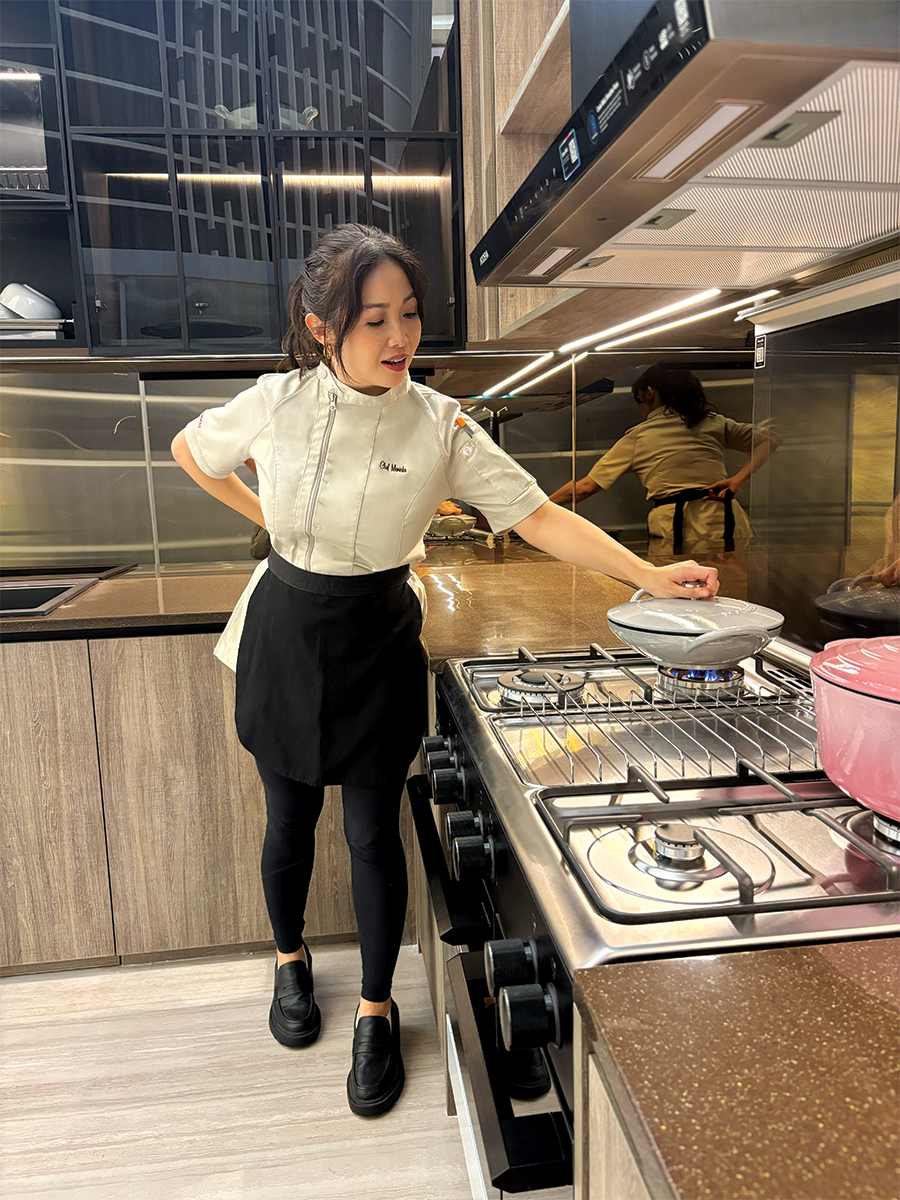 E: As someone who has worked with various brands, what draws you to a collaboration, and how do you ensure it stays aligned with your personal philosophy?
A: For me, a collaboration has to feel personal and genuine. It needs to connect with something I already believe in or use in my daily life. I tend to be selective, as alignment matters. If it does not sit naturally with my principles or way of working, it is difficult to make it feel authentic, and that is something I always try to maintain.
E: After years in the industry, what still excites you when you sit down for a meal?
A: There are still many things that keep the experience exciting. Discovering a new ingredient or flavour combination always sparks curiosity. At the same time, a classic dish executed with precision can be just as satisfying. Achieving that level of balance and consistency is not as simple as it looks, and I continue to appreciate it.
E: What’s something on your culinary bucket list you’d like to accomplish?
A: At the moment, I am interested in exploring Chinese cuisine beyond what is widely known. There is so much depth across different regions that is often overlooked. Travelling to those regions and experiencing their local specialities firsthand would be something I would really like to do, both for learning and for inspiration.
E: Can you share any clever tips for home cooking?
A: One habit that helps a lot is preparing and freezing ingredients in advance. It could be bread, chopped spring onions, or even fully cooked meals and rice. It makes everyday cooking more efficient while reducing waste. Having those basics ready allows you to focus more on the actual cooking when needed.
Exquisite Taste Volume 51
Rinrin Marinka
IG: @rinrinmarinka